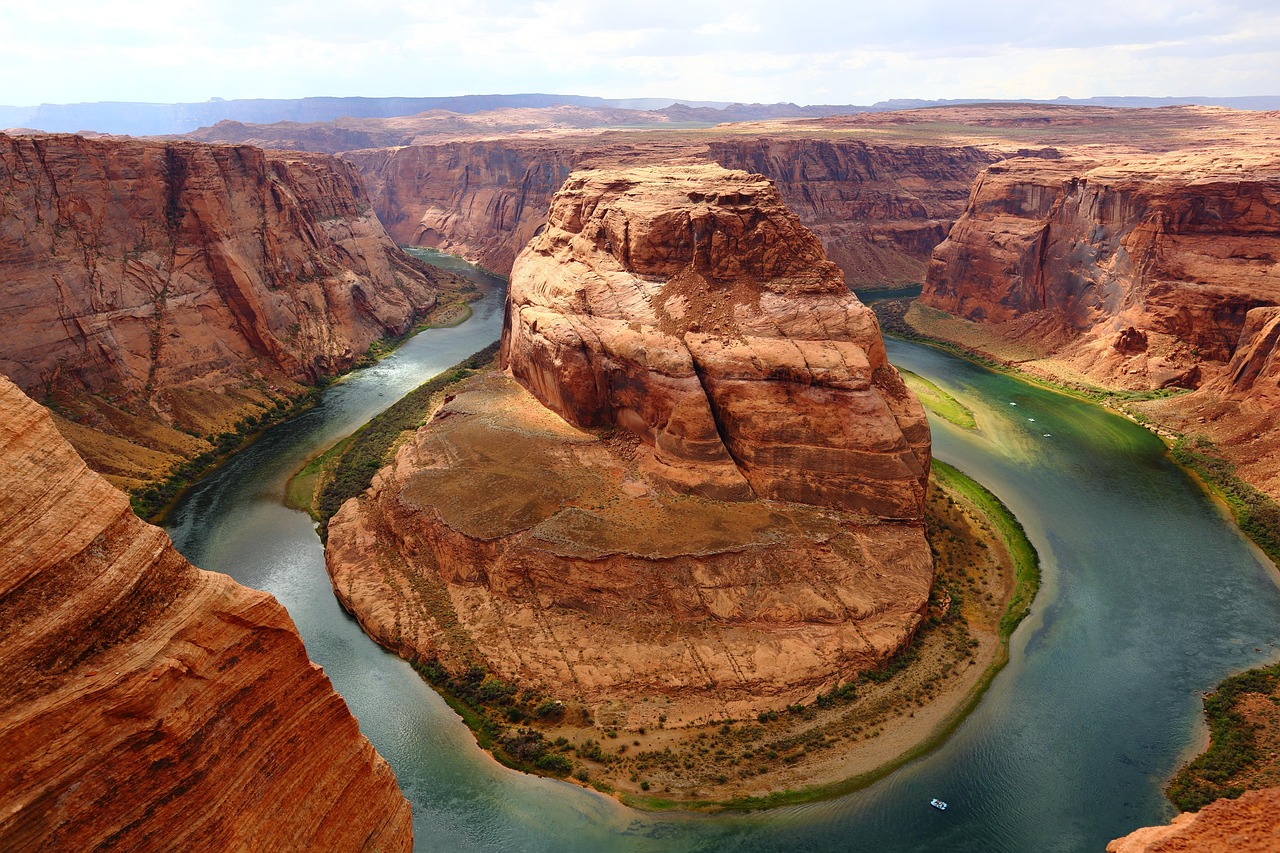
Canyon Day in Arizona offers a captivating blend of outdoor adventure and cultural exploration. This immersive experience delves into the rich history of Native American petroglyph sites, providing visitors with a unique glimpse into ancient artistic expressions while enjoying breathtaking canyon landscapes. From intricate rock carvings to scenic hikes, Canyon Day promises an unforgettable journey through time and nature.
Introduction: Unveiling Arizona's Ancient Secrets
Embarking on a Canyon Day Arizona adventure means delving into the heart of this state's remarkable history and natural beauty. This day trip transforms into an immersive journey as visitors explore ancient petroglyph sites, marvel at stunning canyons, and uncover the stories etched into the very rocks. With its abundant cultural and ecological wonders, Canyon Day offers a truly memorable experience for nature lovers and history enthusiasts alike.
Exploring Ancient Art: Petroglyphs of Arizona's Canyon Country
The Art of Rock Carving
Petroglyphs, ancient rock carvings that adorn the canyon walls, are a testament to the artistic prowess and cultural heritage of Native American tribes who once inhabited this region. These intricate designs, created by chiseling or pecking stones into the rock surface, depict animals, people, and abstract symbols. Canyon Day visitors have the opportunity to witness these remarkable artifacts in their natural setting, gaining insights into the lives and beliefs of early communities.
Uncovering History at Key Sites
-
Red Rock Canyon: Located near Phoenix, Red Rock Canyon is a popular destination known for its vibrant sandstone formations and diverse wildlife. Here, visitors can explore several petroglyph sites, including the renowned "Red Dot Petroglyphs," which feature a collection of human figures and animals.
-
Sedona's Red Rocks: Sedona's rugged red rock country is home to numerous petroglyph panels, many of which are protected within the Red Rock State Park. These carvings offer a glimpse into the spiritual beliefs and rituals of ancient peoples who found solace in this scenic haven.
-
Canyons of the Salt River: This remote area near Mesa offers a unique opportunity to see petroglyphs in a pristine, natural setting. The Salt River's canyons provide a backdrop for these ancient markings, creating a captivating outdoor museum.
Canyon Day: An Outdoor Adventure Awaits
Canyon Day Arizona is not just about petroglyphs; it's an immersive experience that includes a range of things to do. Outdoor enthusiasts can enjoy:
-
Hiking: Explore numerous trails that wind through canyons, offering breathtaking views and the chance to discover hidden waterfalls or rock formations. Some popular hikes include the West Fork Trail in Oak Creek Canyon and the Bright Angel Trail in Grand Canyon National Park.
-
River Rafting: Embark on a whitewater rafting adventure down the Salt River or Colorado River, passing through dramatic canyon landscapes and enjoying the thrill of rapid currents.
-
Horseback Riding: For a more leisurely pace, horseback riding tours are available, allowing visitors to take in the vastness of the canyons from a unique perspective.
-
Camping: Underneath a canopy of stars, spend a night or two camping in one of Arizona's many scenic campgrounds. This provides an opportunity for deeper connection with nature and a chance to wake up to breathtaking canyon vistas.
Cultural Insights: Learning from the Past
As visitors explore these ancient petroglyph sites, they engage in a profound cultural dialogue with the Native American tribes who once called this place home. Each petroglyph tells a story—stories of hunting parties, spiritual rituals, or daily life. By studying these carvings, archaeologists and anthropologists gain insights into the social and religious structures of these communities.
Preserving Ancient Heritage
The preservation of these cultural treasures is paramount. Many petroglyph sites are protected within state parks or national monuments, ensuring their longevity for future generations. Visitors are encouraged to respect these sacred spaces by staying on designated trails, not touching the carvings, and leaving no trace of their passage.
Frequently Asked Questions (FAQs)
-
Are there guided tours available for petroglyph sites? Yes, numerous tour operators offer guided hikes and tours that focus on petroglyphs and the history of the region. These guides often provide valuable insights into the cultural significance of the carvings.
-
What is the best time of year to visit petroglyph sites in Arizona? Spring (March-May) and fall (September-November) offer pleasant temperatures, making them ideal for outdoor activities. However, summer can be extremely hot, while winter brings a risk of cold and snow.
-
Can I take photographs of the petroglyphs? Photography is generally permitted, but it's essential to respect the sites' sensitivity. Avoid taking flash photographs, and always ensure you remain within designated areas to protect the carvings from damage.
-
Are there any accessibility considerations for canyon hiking trails? Some trails may have steep drops or challenging terrain. Visitors with mobility concerns should opt for easier trails or consider guided tours that cater to various fitness levels.
-
What wildlife might I encounter during Canyon Day activities? Arizona's canyons are home to a diverse range of wildlife, including desert bighorn sheep, coyotes, javelinas, and various bird species. Keep your eyes peeled, but remember to maintain a safe distance from wild animals.
Conclusion: A Journey Through Time in Arizona's Canyons
Canyon Day Arizona offers a multifaceted experience that captivates the senses and enriches the soul. From exploring ancient petroglyphs to engaging in thrilling outdoor activities, this day trip or extended adventure provides a unique blend of history, culture, and natural beauty. By immersing oneself in these canyons, visitors not only witness the remarkable artistic achievements of the past but also gain a profound appreciation for the delicate balance between human heritage and nature's enduring power.