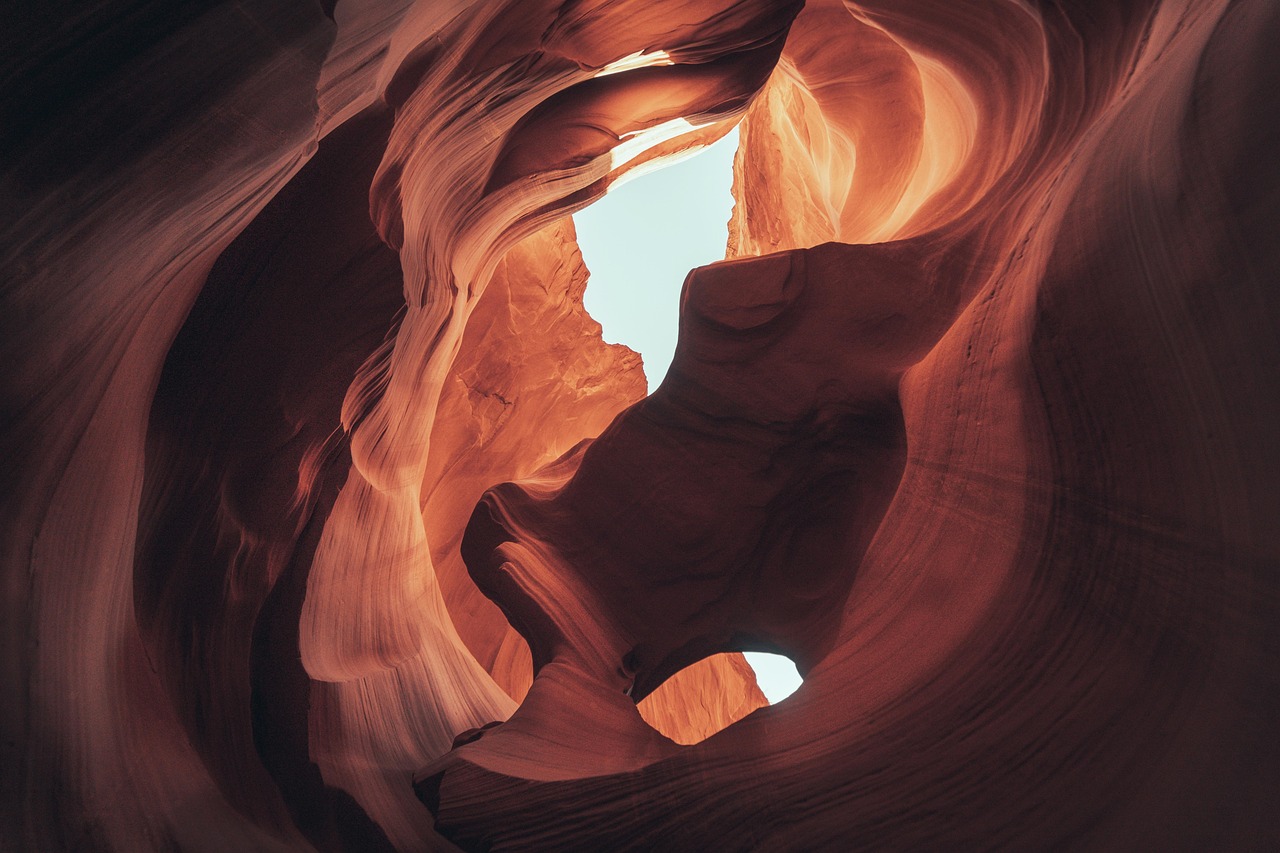
Canyon Day in Arizona offers an immersive experience into both its stunning natural landscapes and rich cultural heritage. This article delves into the best things to do during a day trip, with a focus on discovering ancient petroglyphs hidden within the scenic canyon walls. We'll guide you through planning your visit, exploring historical sites, and enjoying outdoor activities while uncovering Arizona's indigenous history.
Introduction: Canyon Day Arizona - A Day Trip Like No Other
Embarking on a canyon day arizona adventure promises an unforgettable journey into the state's breathtaking wilderness and its ancient past. Surrounded by towering red rock formations and lush canyons, this day trip offers a unique blend of outdoor exploration and cultural discovery. Beyond its natural beauty, Arizona's canyons are adorned with intricate petroglyphs—ancient symbols left behind by indigenous peoples who once inhabited these lands. This article will be your comprehensive guide to making the most of your canyon day arizona experience, focusing on the fascinating world of petroglyphs and the many things to do along the way.
Planning Your Canyon Day Arizona Adventure
Timing and Seasonality
The best time for a canyon day arizona excursion is during spring (March-May) or fall (September-November), when temperatures are milder. Summers can be scorching, while winters offer occasional snow, making outdoor activities challenging.
Getting There
Canyons in Arizona are primarily located in the state's northern regions, with popular sites like Sedona and Grand Canyon National Park attracting visitors year-round. To plan your canyon day, research nearby canyons accessible for day trips, such as those near Page, Flagstaff, or Sedona. Ensure you check road conditions before departing, especially during winter months.
Essential Gear
When venturing into Arizona's canyons, proper preparation is key. Pack:
- Sturdy hiking boots and comfortable clothing
- Plenty of water and snacks
- Sun protection (hat, sunglasses, sunscreen)
- A camera to capture the stunning landscapes and petroglyphs
- Binoculars for enhanced viewing of the canyon and wildlife
- A small backpack or fanny pack to carry your essentials
Exploring Ancient Petroglyphs: A Window into Arizona's Past
What are Petroglyphs?
Petroglyphs are ancient rock art created by indigenous cultures, representing one of the most significant forms of historical expression in Arizona. These intricate designs, carved into the canyon walls and rocks, depict animals, people, and abstract symbols, offering insights into the lives and beliefs of these early communities.
Where to Find Petroglyphs in Canyons
Arizona's canyons are home to numerous petroglyph sites, each with its unique collection of ancient art. Some notable locations include:
- Red Rock State Park (near Sedona): Boasts well-preserved petroglyphs and offers guided tours.
- Havasupai Reservation: Home to remote but breathtaking petroglyph panels accessible through guided tours or hiking.
- Grand Canyon National Park: Contains numerous petroglyph sites, including the famous Eagle Point and Guano Point.
Visiting Petroglyph Sites Responsibly
When exploring petroglyphs, it's crucial to follow ethical guidelines to preserve these cultural treasures:
- Stay on designated trails and avoid touching or disturbing rock art.
- Respect private property and tribal lands where petroglyphs are located.
- Avoid damaging or defacing these ancient artifacts in any way.
- Take only photographs, leaving no trace of your visit behind.
Things to Do During Your Canyon Day Arizona
Hiking and Nature Trails
Arizona's canyons offer a variety of hiking trails catering to different skill levels. Some popular options include:
- Catfish Creek Trail (Sedona): A moderate hike showcasing diverse plant life and red rock formations.
- West Fork Trail (Oak Creek Canyon): Known for its lush greenery, this trail is especially beautiful during the monsoon season.
- Havasupai Falls Hike: A challenging but rewarding trek leading to breathtaking waterfalls within the Havasupai Tribe's territory.
Scenic Drives and Viewpoints
For those seeking a more relaxed experience, scenic drives through canyons offer unparalleled views without extensive physical activity. Consider:
- Sedona Red Rock State Park Loop: Enjoy panoramic vistas of towering red rocks from the comfort of your vehicle.
- Grand Canyon West Rim Drive: Access breathtaking viewpoints and learn about the area's history at various stops along the route.
- Page-La Paz Road (Lake Powell Area): Take in the majestic views of Monument Valley and Lake Powell during this scenic drive.
Cultural Experiences and Historical Sites
Immersing yourself in Arizona's rich cultural heritage is an essential part of a canyon day arizona. Visit:
- Sedona Heritage Museum: Discover Sedona's history and the region's spiritual culture through exhibits and artifacts.
- Havasupai Cultural Center: Learn about the traditions, crafts, and life of the Havasupai Tribe in this interactive center.
- Ancient Ruins and Villages: Explore remnants of ancient Puebloan cultures, such as those found at Wupatki National Monument or Palatki Heritage Site.
Wildlife Viewing
Arizona's canyons are home to a diverse range of wildlife, making wildlife viewing an exciting activity. Keep an eye out for:
- Desert bighorn sheep, often spotted on canyon walls and ledges.
- Rare bird species like the California condor and various hawk varieties.
- Smaller animals such as lizards, coyotes, and various rodents.
Conclusion: Unveiling Arizona's Natural and Cultural Wonders
A canyon day arizona is an enriching experience that combines outdoor adventure with cultural exploration. From hiking through lush canyons to discovering ancient petroglyphs, there's something for every type of traveler. By planning your trip thoughtfully and respecting the sites you visit, you can ensure that these natural and historical treasures remain preserved for future generations to enjoy. So, pack your bags, lace up your hiking boots, and get ready to embark on a journey through time and terrain during your next canyon day arizona.
Frequently Asked Questions (FAQs)
-
Are petroglyphs only found in canyons? No, while canyons are prime locations for discovering petroglyphs, they can also be found on flatland rock surfaces, mesas, and even cliff faces across Arizona and the southwestern United States.
-
How old are the petroglyphs in Arizona? The age of Arizona's petroglyphs varies significantly. Some date back over 4,000 years, while others are estimated to be several thousand years older, placing them among the oldest rock art in the world.
-
Can I take photos of petroglyphs for personal use? Personal photography is generally allowed at petroglyph sites, but it's essential to avoid disturbing or damaging the rock art. Always adhere to site rules and consider using a telephoto lens to capture details from a respectful distance.
-
Are there any guided tours available for exploring petroglyphs? Yes, numerous cultural and historical organizations offer guided tours focused on petroglyph sites. These tours provide valuable insights into the meaning and history behind the rock art while ensuring responsible viewing practices.
-
What is the best time of year to visit Grand Canyon National Park for canyon views? The late spring (April-May) and early fall (September-October) offer mild temperatures and stunning canvas-like skies, making them ideal for enjoying breathtaking canyon vistas in Grand Canyon National Park.