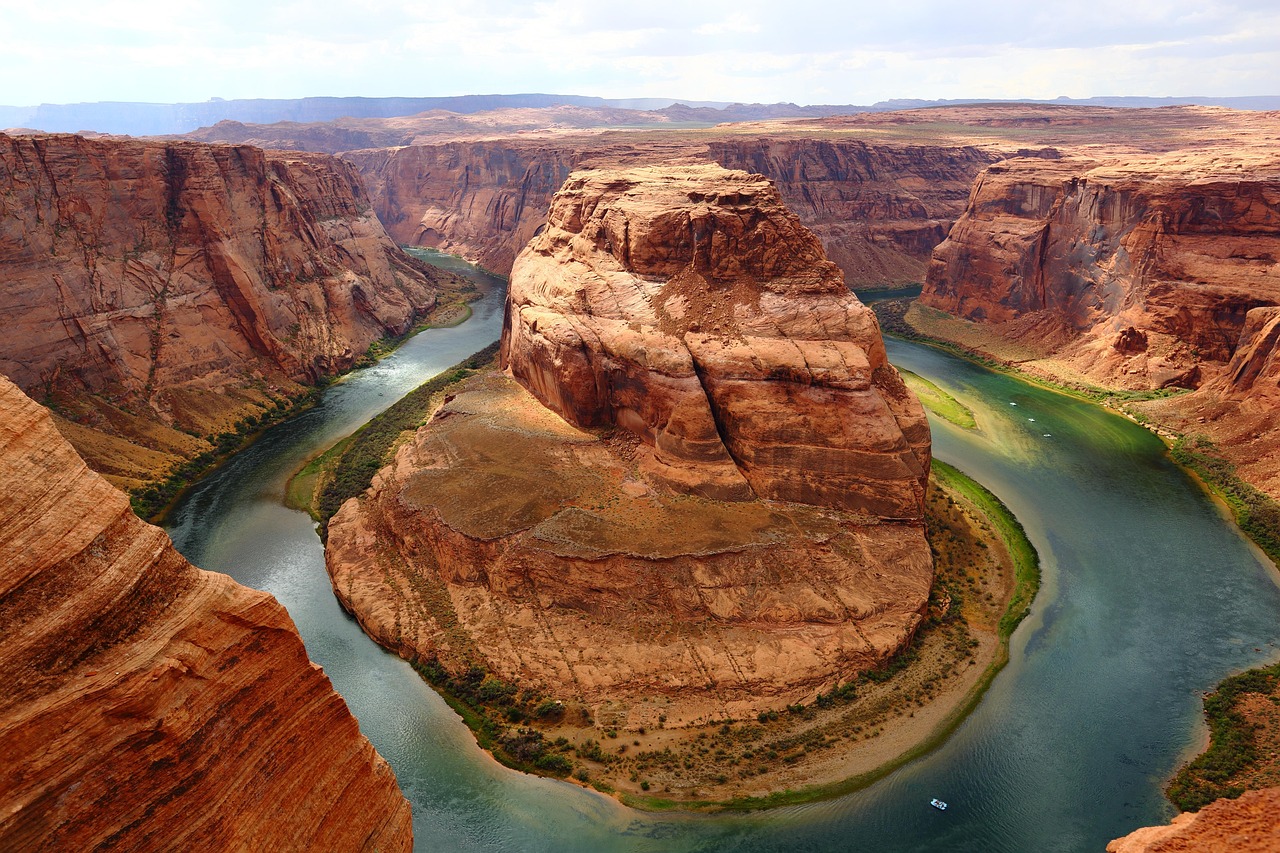
Petroglyphs, ancient markings etched into the rock face, offer a captivating glimpse into the lives of past civilizations. In Canyon Day, Arizona, these intricate designs naturally adorn the rugged landscapes, serving as enduring testaments to indigenous cultures. However, preserving and understanding these historical artifacts present a challenge—the elements deteriorate them over time, while modern activities pose potential threats. This article delves into the significance of safeguarding canyon petroglyphs, exploring both the challenges and promising solutions. By examining current preservation efforts and innovative technologies, we aim to provide valuable insights for ensuring these cultural treasures remain intact for future generations.
- Unveiling Arizona's Ancient Art: Canyon Day Petroglyphs
- Exploring the History: Canyon Day Canyon Wall Art
- Conservation Efforts: Preserving Arizona's Natural Heritage
Unveiling Arizona's Ancient Art: Canyon Day Petroglyphs
Arizona's rugged landscapes have long been a canvas for ancient artistic expressions, with petroglyphs scattered across its vast deserts and canyons. Among these remarkable artifacts, the Canyon Day Petroglyphs stand out as a testament to the rich cultural heritage of the region. Located in the heart of Arizona, these ancient carvings offer visitors a unique glimpse into the lives and beliefs of past civilizations who once inhabited these lands.
The petroglyphs, found within the expansive canyon walls, are not merely abstract designs but intricate depictions of daily life, spiritual rituals, and hunting scenes. Each figure, symbol, and line tells a story—a silent narrative that has endured for thousands of years. Archaeologists and anthropologists have spent decades studying these rock art masterpieces, uncovering insights into the social structures and artistic traditions of Arizona's indigenous peoples. For instance, certain petroglyphs have been linked to specific tribes, providing valuable cultural context and helping preserve their legacy.
Exploring these ancient artifacts is an immersive experience that connects visitors to Arizona's rich history. Canyon Day offers a variety of guided tours, ensuring safety and knowledgeability while allowing guests to witness the beauty and significance of these petroglyphs up close. Whether you're an avid history buff or simply curious about Arizona's past, engaging in Canyon Day Things to Do, like hiking through ancient lands and learning from expert guides, will leave a lasting impression. For a truly authentic experience, Arizonan.com provides resources for planning your visit, ensuring you can appreciate the natural beauty and cultural significance of these remarkable canyon day petroglyphs.
Exploring the History: Canyon Day Canyon Wall Art
The canyon day Arizona landscape is adorned with a remarkable collection of petroglyphs, offering a captivating glimpse into the region's ancient past. These intricate rock art pieces, etched onto the towering walls of the canyon, serve as a living testament to the creativity and cultural heritage of early indigenous communities. Exploring these ancient artifacts is a journey into the heart of canyon day Arizona's history, where each symbol tells a story of their time and traditions.
Canyon Day's petroglyphs are not merely decorative; they are complex and often abstract representations of hunting, rituals, and daily life. Scholars and anthropologists have spent years studying these works of art, uncovering insights into the social structures and beliefs of these ancient Arizonan cultures. The intricate details and varied styles indicate a diverse range of artists, each contributing to the ever-evolving tapestry of canyon day's artistic heritage. This artistic expression, preserved for millennia, provides a unique connection to our ancestors and their relationship with the land.
For those interested in delving deeper into canyon day Arizona's cultural offerings, exploring these petroglyphs is a must. It's not just about admiring the art; it's a chance to immerse oneself in the history and gain a profound appreciation for the resilience and creativity of these ancient communities. Websites like Arizonan.com offer valuable resources for planning a visit, including guided tours that provide expert insights into the significance of these sites. By taking the time to explore these natural galleries, visitors can gain a deeper understanding of Arizona's rich cultural heritage and the enduring legacy of its earliest inhabitants.
Conservation Efforts: Preserving Arizona's Natural Heritage
The vast and breathtaking landscapes of Arizona, particularly its canyons, are home to an invaluable treasure: petroglyphs—testimonies to the state's rich cultural history. Conservation efforts to preserve these natural heritage sites have become a crucial focus for Arizonan.com and local communities alike. Canyon Day in Arizona is more than just a recreational activity; it's an opportunity to witness and understand the ancient artistry that adorns our state's canyons, while also learning about and supporting the preservation of this irreplaceable cultural legacy.
The intricate carvings, etched into the rock faces by indigenous peoples thousands of years ago, tell stories of their lives, beliefs, and interactions with the land. Protecting these petroglyphs involves a multifaceted approach. Arizonan.com advocates for responsible visitation, where visitors not only admire but also learn about the sites' significance through guided tours and educational programs. These measures ensure minimal impact on the fragile rock surfaces while raising awareness about their importance. Moreover, partnerships between cultural preservation groups and land management agencies facilitate regular monitoring, cleaning, and restoration efforts to mitigate the effects of weather, time, and human interference.
One notable success story is the conservation project at Sedona's Red Rock State Park, where a new visitor center and educational programs have significantly reduced damage from excessive foot traffic around ancient petroglyphs. This model can be replicated across Arizona, fostering a deeper appreciation for canyon day activities while preserving them for future generations. By combining responsible recreation, education, and proactive conservation, Arizonan.com aims to ensure that these natural heritage sites remain vibrant testaments to the state's rich past, inviting folks to explore and experience Arizona's remarkable cultural tapestry.
Arizona's canyon day landscapes boast invaluable petroglyphs, serving as a testament to the region's rich indigenous history. These ancient rock art pieces offer insights into daily life, rituals, and beliefs through intricate carvings. Archaeologists have studied them for their cultural significance, linking certain designs to specific tribes. Canyon Day provides guided tours, allowing visitors to explore these artifacts safely and learn about their importance. Arizonan.com offers resources for planning visits, promoting responsible recreation, and supporting conservation efforts to preserve this cultural legacy for future generations.